You're about to choose that could influence your entire quality administration system. Selecting the wrong calibration laboratory will not just impact your measurement accuracy-- it'll compromise your conformity, disrupt your operations, and possibly cost you customers. The risks are higher than you may believe, and the distinctions in between laboratories aren't always obvious at first glimpse. Here's what separates the reliable companions from the dangerous choices.Accreditation and Accreditation Requirements When choosing a professional calibration laboratory, you'll intend to validate that the facility holds correct accreditation from identified bodies like ISO/IEC 17025 or ANSI/NCSL Z540.ISO IEC accredited calibration services show that the laboratory satisfies rigid worldwide standards for testing and measurement accuracy. This certification guarantees proper traceability to nationwide measurement standards, which is important for maintaining your instruments'reliability.Look for laboratories that show their certification certifications plainly and can provide range files outlining their licensed capabilities.Professional metrology facilities
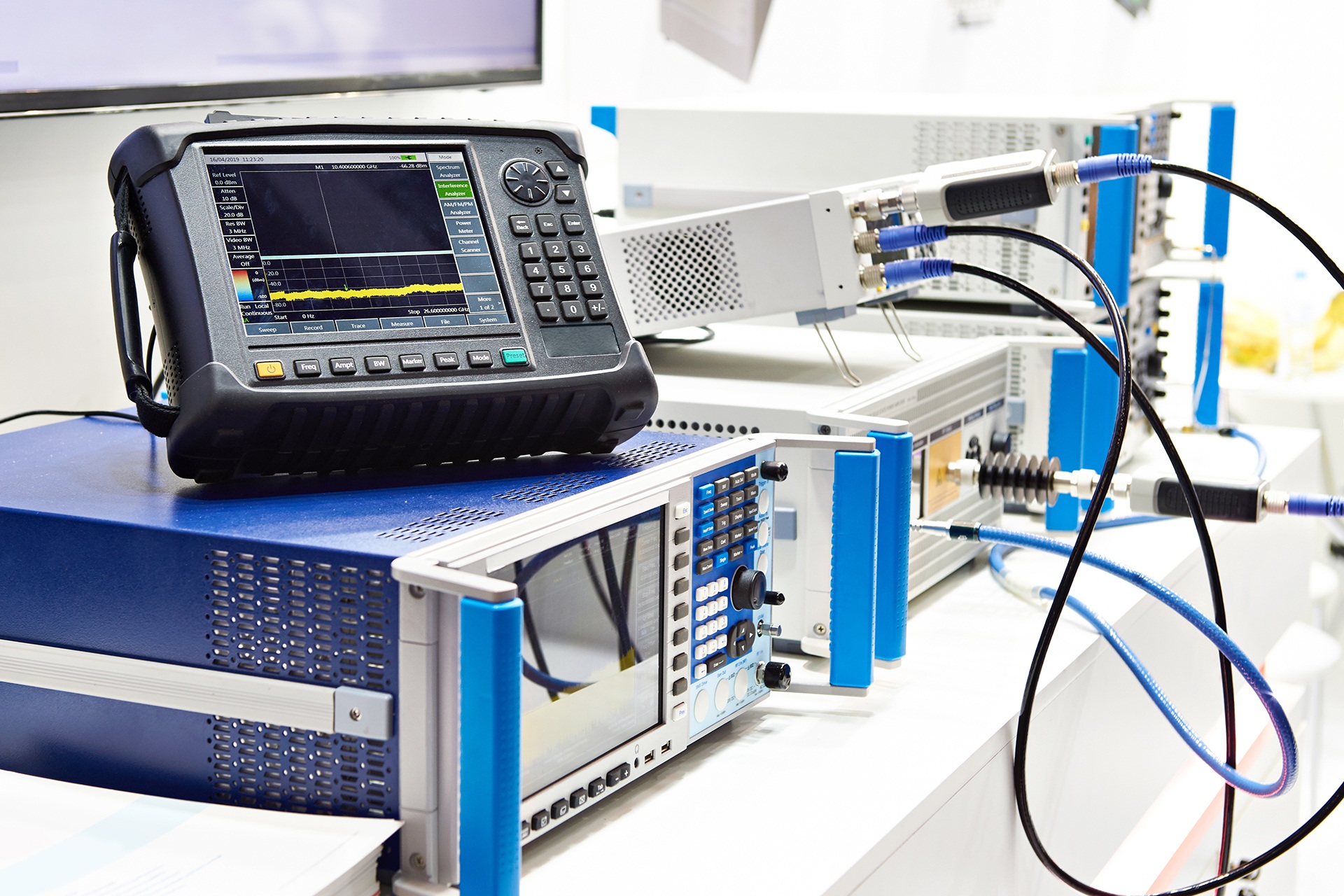
must additionally preserve constant compliance with routine audits and assessments. Without correct accreditation, you can't assure that calibration services will certainly fulfill industry requirements or governing standards.Always request documents showing the laboratory's present accreditation condition prior to committing to their services.Technical Abilities and Equipment Range Past certification requirements, you'll require to assess whether a calibration laboratory has the technical
abilities and equipment range essential for your particular instruments.Look for labs that preserve cutting edge precision equipment covering your instrument kinds, from standard multimeters to intricate logical tools. Validate they can handle your measurement
arrays and accuracy requirements while adhering to ISO standards.Consider whether you require on site calibration services for huge or delicate equipment that can't be transported.A reliable laboratory ought to demonstrate technical expertise with qualified personnel and proper procedures. Evaluation their scope of accreditation to guarantee your instruments fall within their licensed capabilities.Ask about their measurement uncertainties and traceability chains to confirm they satisfy your quality standards and regulative requirements.Quality Documentation and
Traceability Standards Since proper paperwork forms the foundation of any type of legitimate calibration service, you'll intend to check out exactly how
extensively a laboratory preserves quality documents and establishes measurement traceability.Look for calibration certificates that clearly identify your instrument and referral the applicable standards utilized during testing. Quality documentation ought to consist of
detailed measurement data, unpredictability estimations, and ecological conditions during calibration.Verify that the laboratory's traceability chain attaches to national or worldwide standards with accredited reference materials. The calibration services should supply certifications meeting your market's particular requirements, whether ISO, FDA, or other regulatory standards.Request sample certifications beforehand to ensure they contain all essential information for your compliance needs. Accurate paperwork secures both
your quality system and shows your reliable onsite calibration commitment to measurement reliability.Turnaround Time and Service Dependability While comprehensive paperwork verifies a laboratory's technical capabilities, your operational performance depends similarly on their ability to deliver timely, constant service.When reviewing calibration services, you'll want to develop realistic turnaround time expectations that straighten with your functional schedule. A specialist calibration laboratory should supply constant shipment days and communicate any kind of potential delays immediately.Service reliability includes greater than rate-- it consists of precise instrument calibration, traceable results, and standardization across all procedures.Look for laboratories with considerable experience managing diverse customer needs while preserving quality standards. Ask about their ability during top durations and back-up treatments for equipment failures.Reliable calibration services
show constant efficiency with
repeat deliveries, marginal rework requirements, and proactive interaction regarding your instrument's calibration standing throughout the process.Cost Structure and Worth Evaluation When examining calibration laboratories, you'll find that cost considerations expand much beyond the initial service quote. An extensive value evaluation needs analyzing what you're getting for your investment.Professional calibration services that appear costly initially usually offer superior value via certified technicians, traceable standards, and proper accreditation credentials.Don't instantly pick the lowest-cost alternative. Reliable laboratories buy quality equipment, competent workers, and keeping
extensive standards-- aspects mirrored in their pricing.Compare the total cost of possession, consisting of potential downtime if instruments fail validation because of below average calibration work.Request comprehensive quotes that break down labor, products, and certification fees. The very best laboratory equilibriums competitive pricing with tried and tested dependability, guaranteeing your instruments get specialist attention that justifies the investment.Conclusion You'll make the appropriate selection by thoroughly assessing these five critical variables when picking a calibration laboratory. Don't jeopardize on certification standards or technical capabilities,
as they're foundational to reliable results. Confirm traceability documentation and reasonable turnaround dedications prior to authorizing any contracts. Remember, you're investing in measurement accuracy that directly impacts your procedures, so focus on overall value over preliminary cost financial savings. Your due diligence now protects against pricey measurement errors later on.